Some journeys begin not with the urge to explore, but with the desire to make a meaningful contribution.
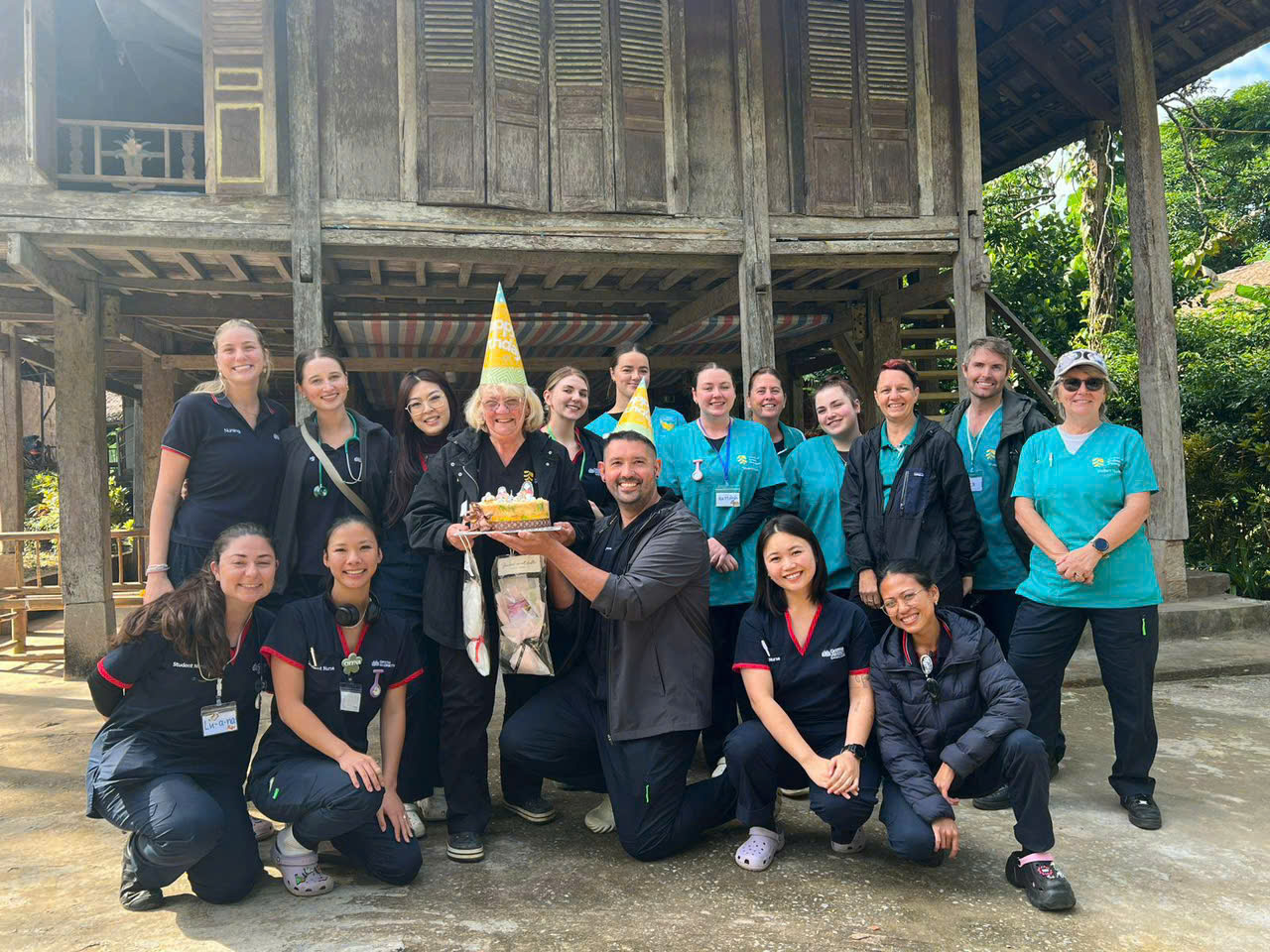
Our visit to Pù Bin, Phú Thọ — together with nursing students from Australian universities — was one such journey. We brought medicine, care, and support; yet what we received in return was deeper understanding, professional growth, and heartfelt connections.
⭐ The Road to Pù Bin – A First Step Into Community Health Reality
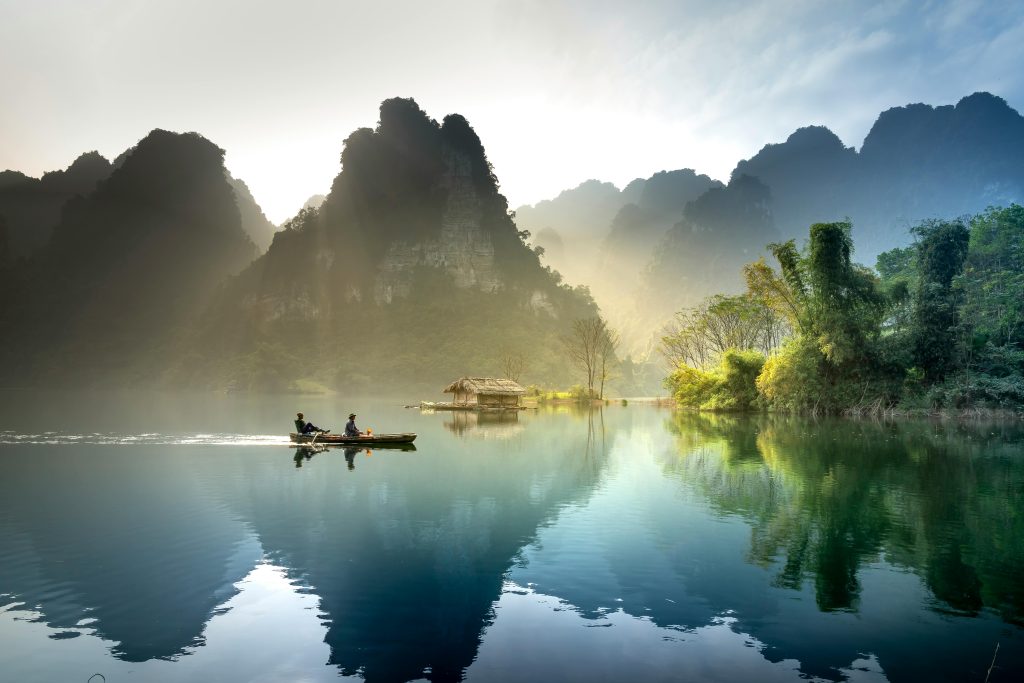
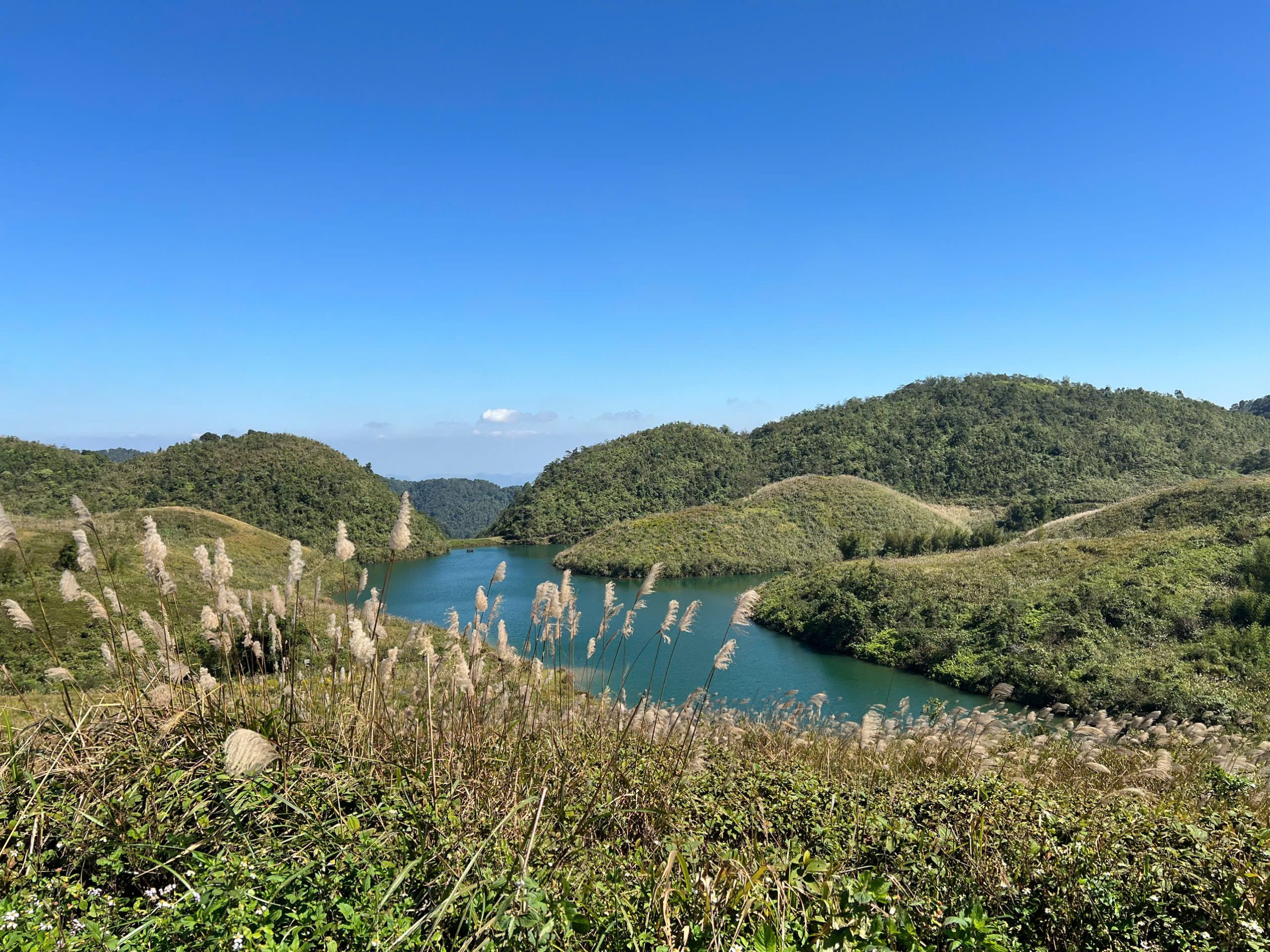
Leaving the center of Phú Thọ, our group of nursing students embarked on a journey along winding mountain roads, flanked by rolling tea hills, gentle streams, and clusters of wooden stilt houses. This was their first encounter with the realities of life in a remote ethnic community — a stark contrast to the structured, well-resourced healthcare environments they were accustomed to in Australia.
As the bus climbed higher into the mountains, curiosity rippled through the group. “How does healthcare work here?” one student asked. “What are the most common medical issues villagers face?” This was more than a field trip; it was an introduction to the social determinants of health in a rural Vietnamese context. Students began to understand how geography, culture, and access shape health outcomes in ways textbooks cannot fully convey. They observed, questioned, and reflected — gaining firsthand insights into rural health challenges, honing the observational skills essential for community assessment, and developing a deeper awareness of how environment and lifestyle intersect with wellbeing.
⭐ A Warm Village Welcome – Learning Cultural Sensitivity Through Connection
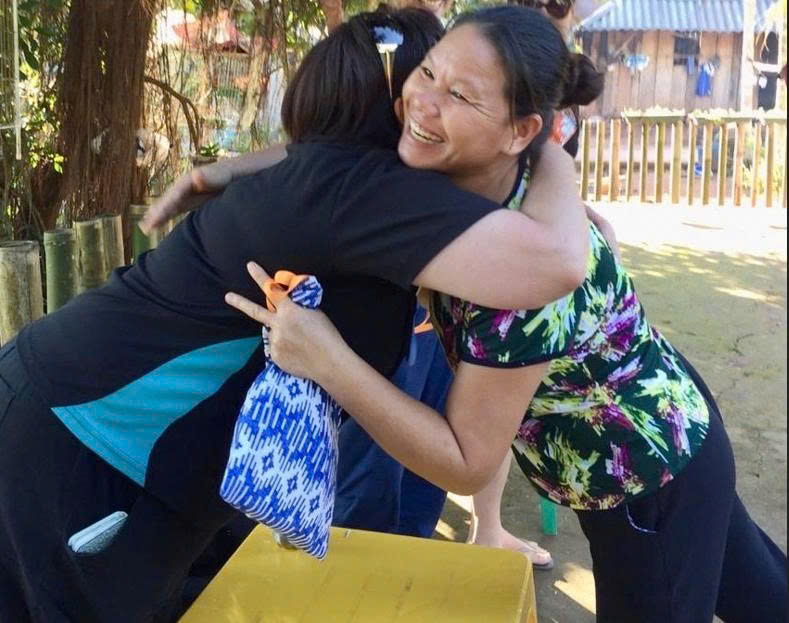
Upon arrival at the community house, the villagers welcomed the students with genuine warmth. Elderly members approached slowly with kind smiles, while children peeked curiously from behind their mothers. In this setting, students experienced their first opportunity to communicate across cultures in a healthcare context, relying not only on words but on empathy, respect, and attentive listening. In these early interactions, they began to cultivate cultural sensitivity and patient-centered communication skills, learning to honor indigenous traditions and values. For the villagers, the presence of young nursing students was both respectful and affirming — their culture acknowledged and valued by visitors genuinely interested in understanding their lives.
⭐ Running the Temporary Clinic – Where Theory Meets Reality
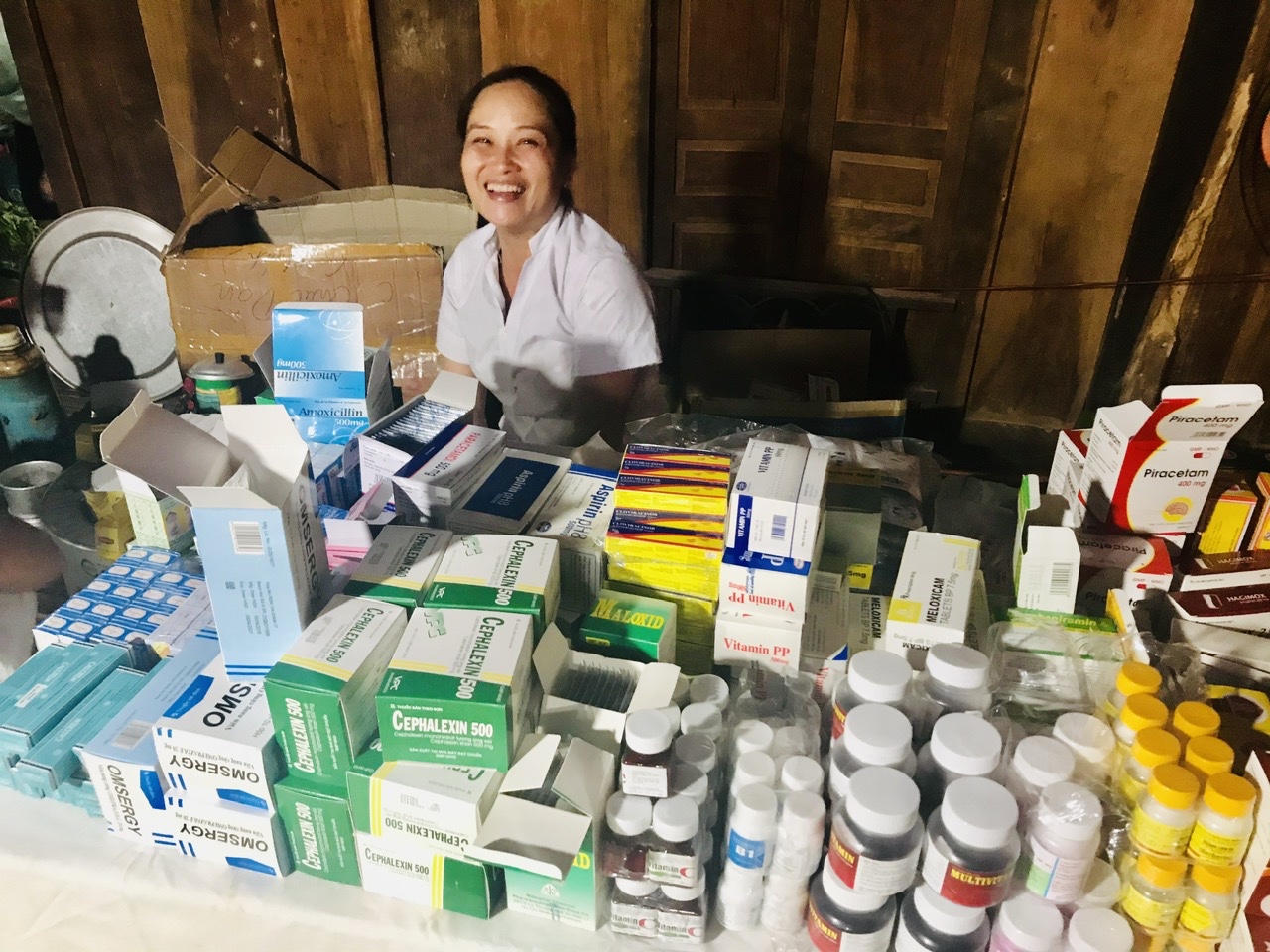
The highlight of the journey came in the temporary makeshift clinic. Though modest, with just a few tables and chairs, it quickly filled with villagers seeking guidance, treatment, and reassurance. Under supervision, students applied their knowledge in a real-world context: conducting basic health assessments, recording symptoms, distributing medications, and offering simple guidance on hygiene and preventive care. Elderly residents shared stories of chronic pain endured over years, while mothers sought advice about the health of their children. These encounters were more than clinical exercises; they were lessons in empathy, adaptability, and the emotional dimensions of caregiving. The students learned to navigate limited resources, apply clinical skills outside of a hospital environment, and understand the human side of medicine in underserved communities. Meanwhile, the community gained access to healthcare, medication, and increased awareness of child health and hygiene, as well as meaningful engagement with future healthcare professionals.
⭐ Walking Through the Village – Understanding Health Beyond the Clinic
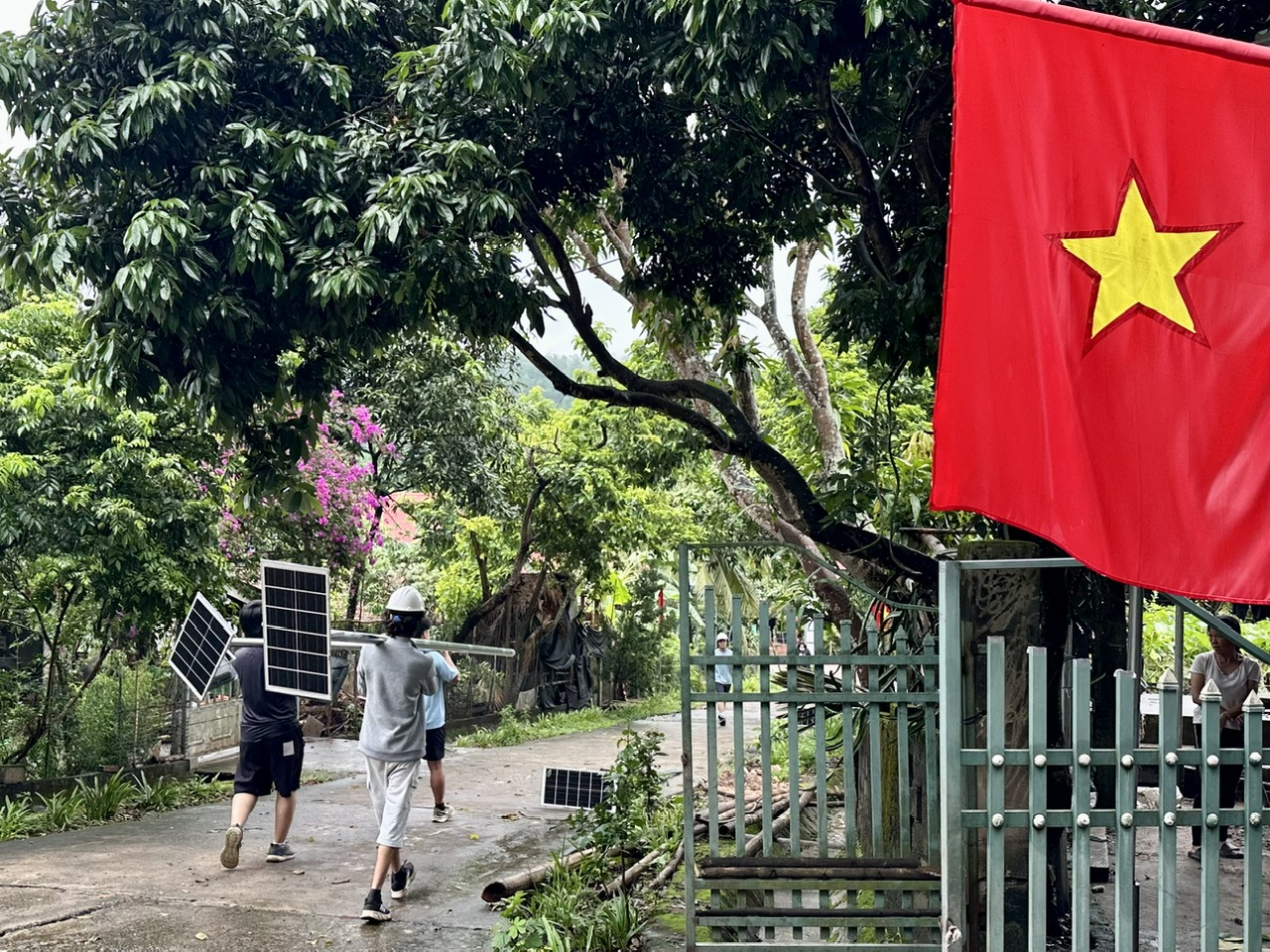
Beyond the clinic, the students walked through the village, taking in stilt houses, flowing streams, and the laughter of children at play. This immersion offered a broader perspective on health: seeing how diet, daily routines, environment, and culture shape wellbeing. They realized that healthcare is not confined to clinics; it is embedded in the rhythms of everyday life. Through these observations, students cultivated holistic thinking about health and developed a deep appreciation for the resilience and resourcefulness of rural communities. For the villagers, being seen and understood reinforced cultural pride and encouraged sustainable, community-led development initiatives.
⭐ Leaving Pù Bin – Carrying Lessons for a Lifetime
As the bus descended the mountain roads, the students reflected quietly. They had tended to patients, listened to stories, and applied their training in ways they had never experienced before.
This visit did more than expand their clinical skills — it deepened their compassion, resilience, and commitment to becoming healthcare professionals who understand the human side of medicine.
For the community, the visit brought comfort, support, and the reassurance that they are not isolated — that there are young people, from across the world, who care about their wellbeing.
⭐ Traveling with U – Expeditions means stepping beyond the classroom and experiencing learning that truly transforms. Let your students discover, connect, and grow through journeys that leave lasting impact — for them, and for the communities they meet.